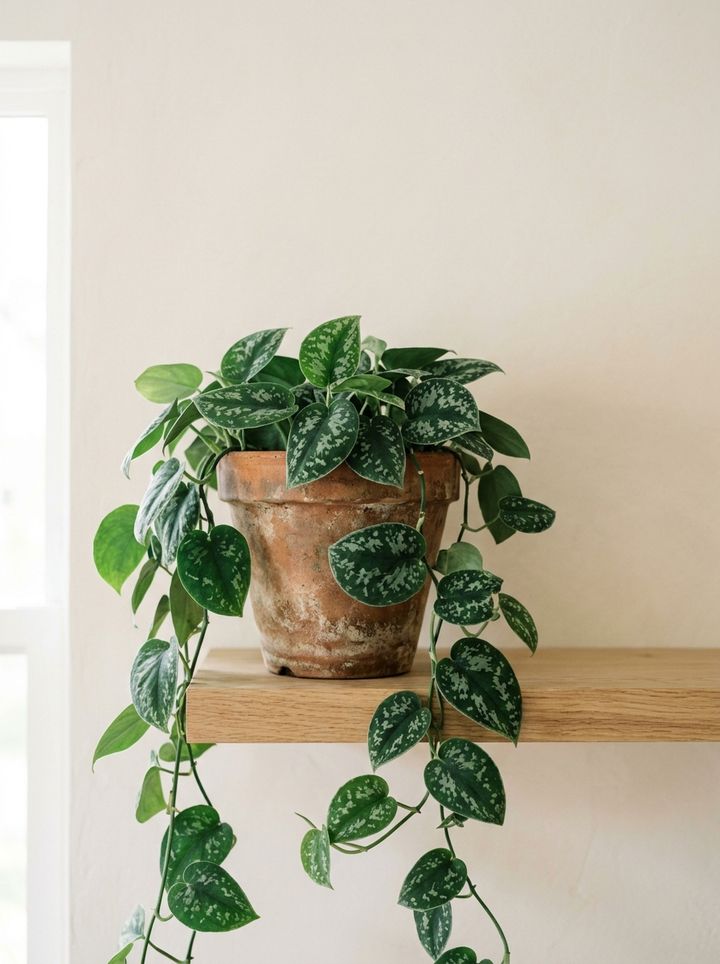
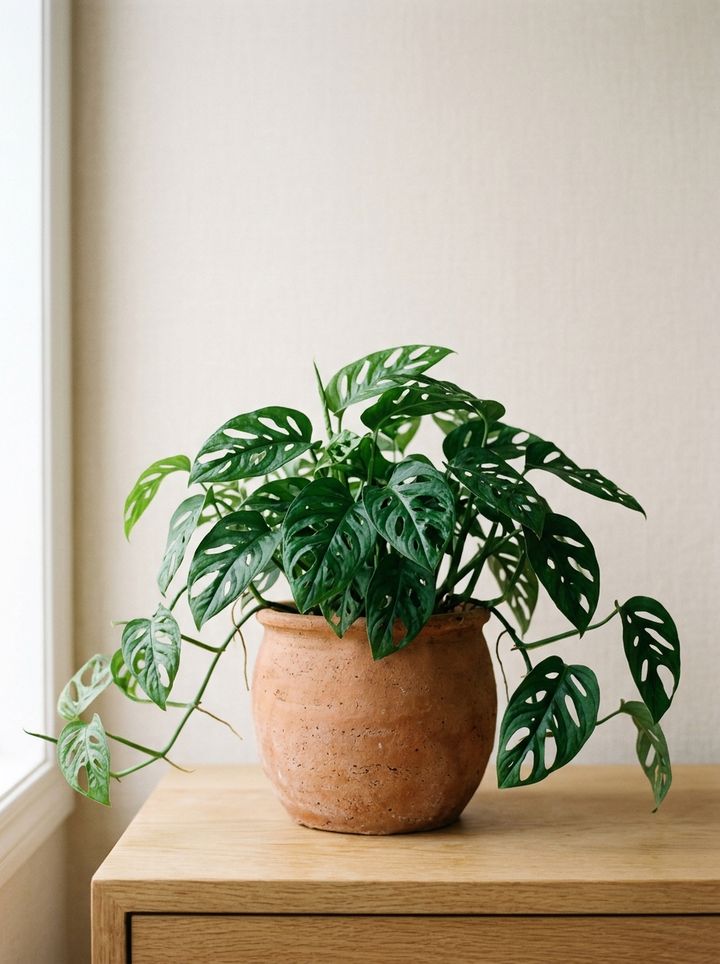
Welcome — this plant comes from the Dr. Plantas nursery. Here’s everything you need to care for it.
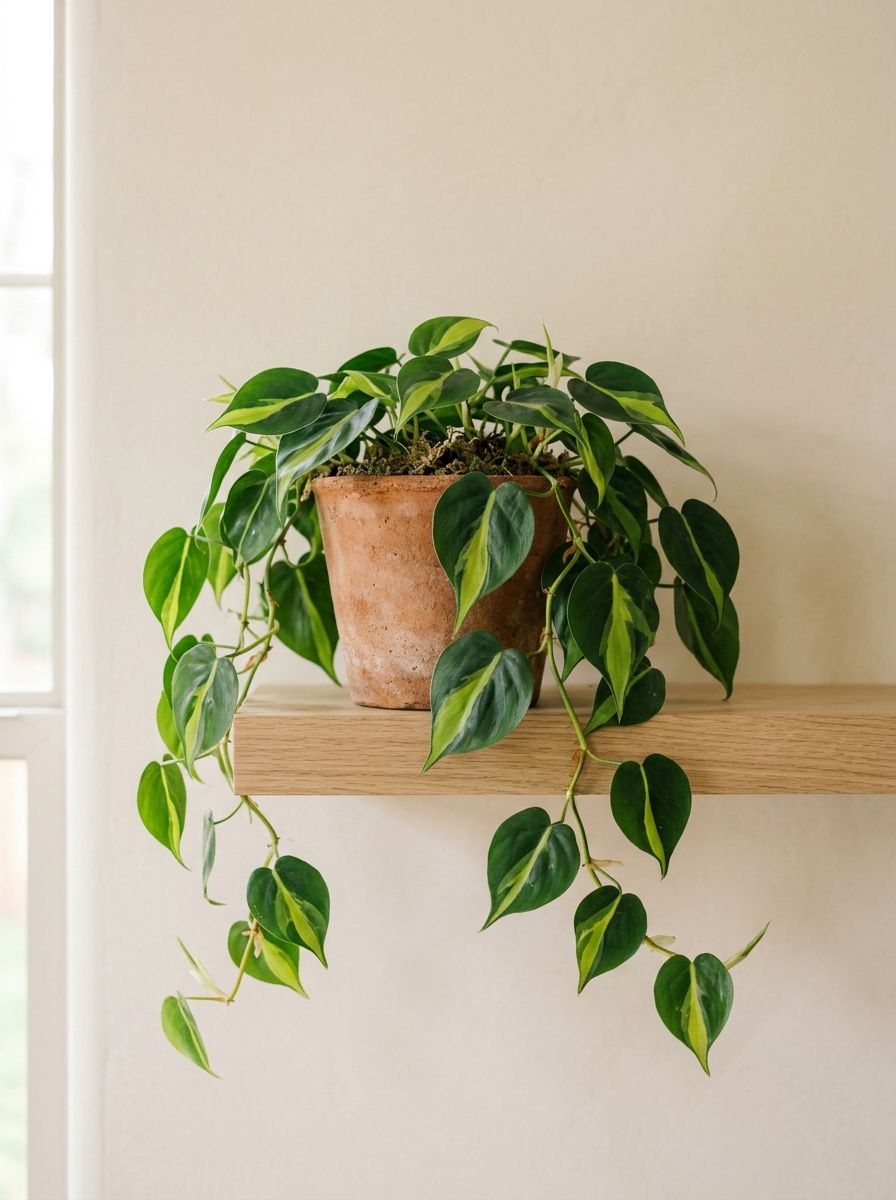
Fig. 01Philodendron
Plant care guide
Philodendron
Philodendron spp.·Family Araceae
Also known as Heartleaf philodendron, sweetheart plant
Heart-shaped leaves on vines that trail or climb. It's as easy as pothos and comes in plain, striped and velvety varieties.
LightLow to bright indirect
WaterWhen the top 1–2 inches are dry
HumidityNormal to high
Temperature65–90 °F (18–32 °C)
PetsToxic to dogs and cats (irritates the mouth)
DifficultyVery easy
Varieties we grow
Cordatum
The classic heartleaf philodendron, with plain emerald-green leaves; trailing.
Brazil
Dark green leaves with a yellow and lime-green stripe down the center; trailing.
Rio
Slightly narrower leaves with creamy white and silver center variegation, paler than Brazil; trailing.
Micans
Velvety, bronze-green leaves with a sheen; new leaves emerge reddish; trailing.
Brandtianum
Olive-green leaves with silver patches between the veins; more upright habit.
Malay Gold
Yellow-green leaves; forms a compact mound rather than trailing, and scorches in strong light.
Monstera Minima
Actually Rhaphidophora tetrasperma, not a philodendron or a monstera cross; small split leaves like a miniature monstera on climbing vines.
Light
It copes with low light, but in medium to bright indirect light it grows fuller and variegated types like Brazil and Rio keep their stripes. Direct sun scorches the pale areas. Malay Gold wants less light than the others to avoid burning, while Monstera Minima prefers bright light.
Watering
Water when the top 1–2 inches of soil are dry and empty the saucer. Do it in the morning so no water sits in the growing tips overnight, which can damage new leaves as they unfurl.
Soil and pot
All-purpose potting mix with coco coir and perlite works well, in a pot with drainage holes. Let it trail or give it a coir pole to climb. If the vines get long, trim them just above a node and root the cuttings in water for new plants.
Humidity and temperature
It appreciates a bit more humidity than pothos. Warmth is what drives its growth; it's happy between 70 and 90 °F (21–32 °C) and slows down below 59 °F (15 °C).
In the Dominican Republic
Our heat is exactly what it needs to grow fast. On a porch or terrace, always keep it in the shade, as afternoon sun burns the leaves. During the rainy season make sure the pot drains, and if it spends the day in air conditioning, watch for dry tips. Planted in the ground by a tree, it climbs and its leaves grow much larger.
Also known as
Filodendro
Common Spanish name
Filodendro corazón
Common Spanish name (P. hederaceum)
Heartleaf philodendron
Common English name (P. hederaceum)
Sweetheart plant
Common English name (P. hederaceum)
Mini monstera
Common English name (Monstera Minima, Rhaphidophora tetrasperma)
Common problems
Yellow leaves→Usually overwatering; let the soil dry out more between waterings.
Variegated leaves losing their stripes→Not enough light; move it closer to a bright window, out of direct sun.
Brown patches on the pale parts of the leaf→It's getting direct sun; move it to indirect light.
Long vines with small, widely spaced leaves→Low light; trim the vines and move the plant.
White cottony clumps where leaves join the stem→Mealybugs; dab them off with rubbing alcohol on a cotton swab and use insecticidal soap.
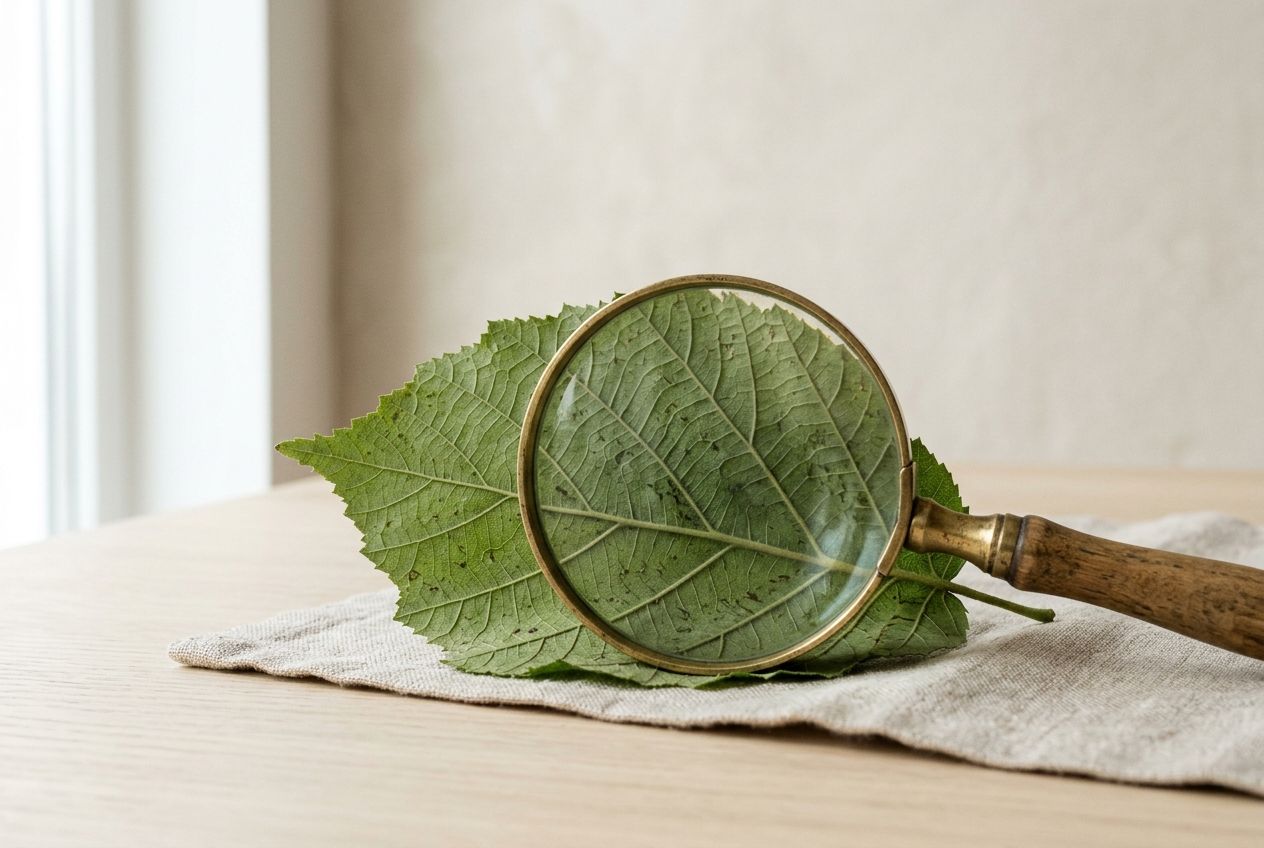
Fig. 02Check the undersides of the leaves every week.