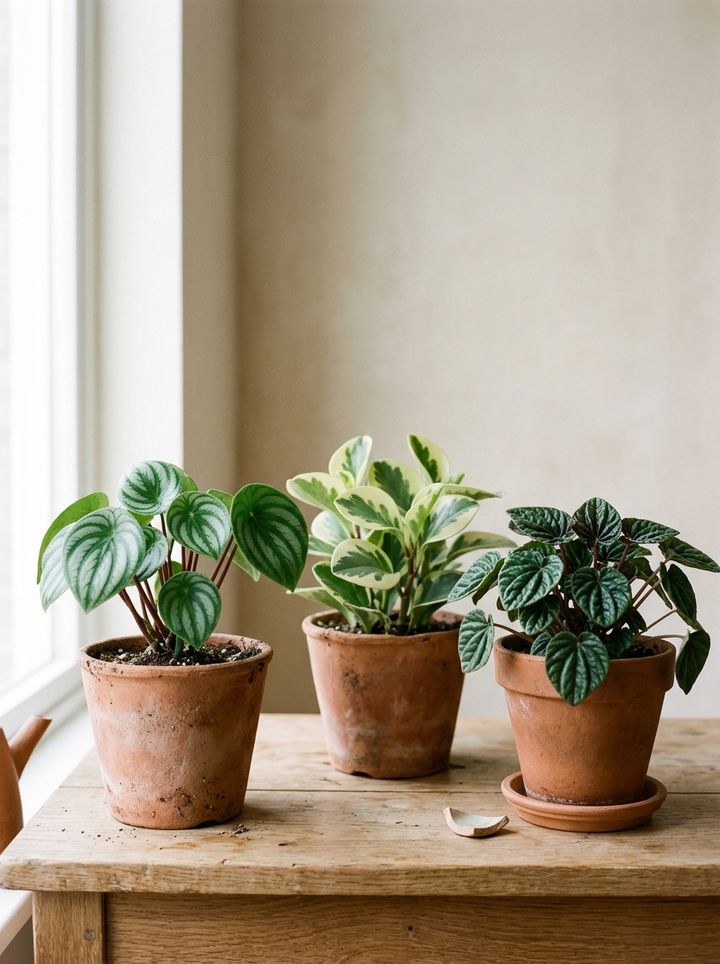
Welcome — this plant comes from the Dr. Plantas nursery. Here’s everything you need to care for it.
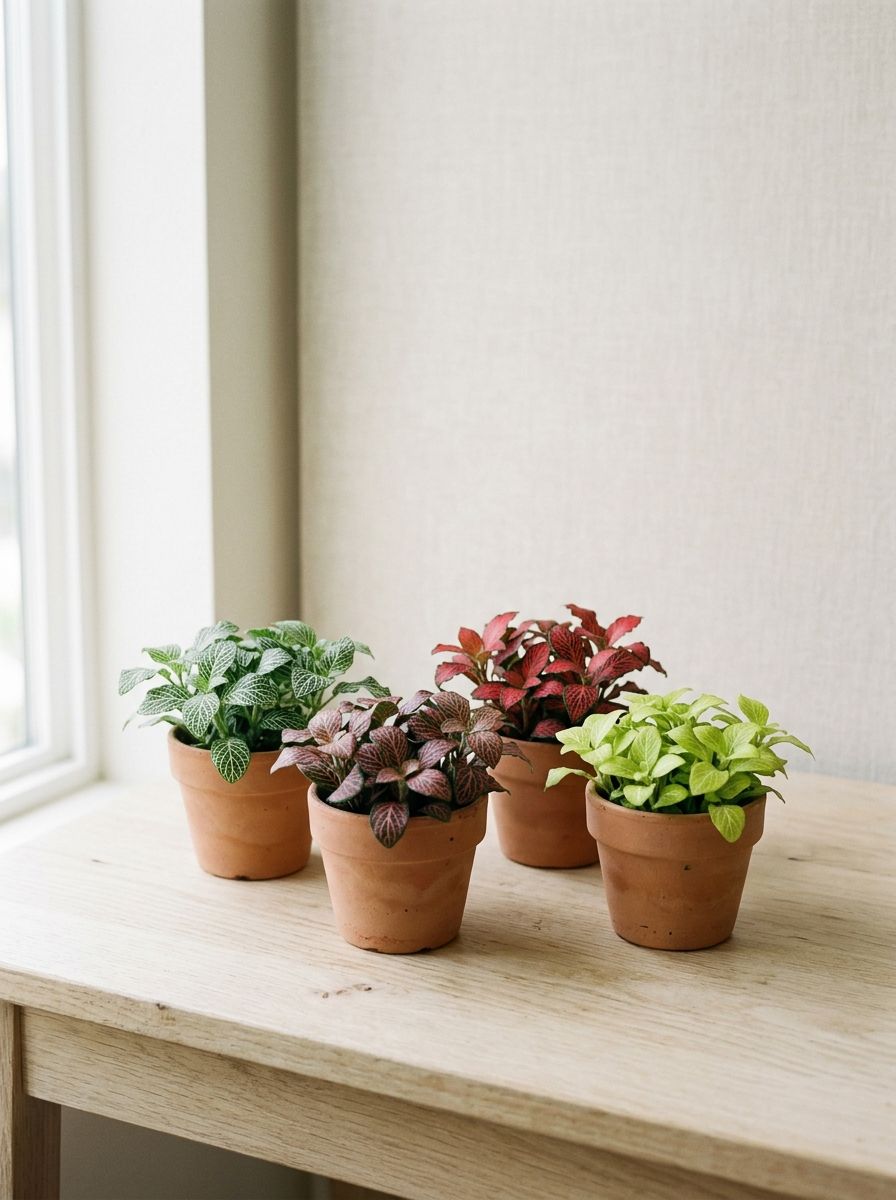
Fig. 01Fittonia
Plant care guide
Fittonia
Fittonia albivenis (Lindl. ex Veitch) Brummitt·Family Acanthaceae
Also known as Nerve plant, mosaic plant
Small and colorful, with white, pink or red veins that draw a net over every leaf. Perfect for tables, desks and terrariums.
LightMedium or filtered indirect
WaterKeep the soil lightly moist
HumidityHigh
Temperature70–86 °F (21–30 °C)
PetsNon-toxic to dogs and cats
DifficultyMedium
Varieties we grow
Forest
Dark green leaves with red veins; very decorative in a small pot.
Joly Lemon
Lemon-green leaves with white veins; turns yellow if light is too low.
Lovers
Olive-green leaves with a white pattern.
Marble Green
Dark green leaves with bold white veins.
Mistral
Dark leaves covered in light pink veins; two-tone effect.
Pink
Leaves with vivid pink veins.
Purple Snow Anne
Leaves patterned in white and light pink with a dark green margin.
Red Flame
Green leaves with red veins.
Skeleton
Compact, with pinkish-red veins on lime-green leaves.
Tiger
Dark green leaves with a white striped pattern.
Whisper
Leaves with white veins forming a net pattern.
White Tiger
Dark green leaves with striking white stripes.
Zalm Ruby Lime
Leaves with a light pink pattern.
Light
It likes medium or filtered light, away from direct sun. With too much light it stays tiny and loses color; with too little, pale varieties such as Joly Lemon turn yellowish. A table a few feet from a window is usually perfect.
Watering
It prefers the soil always slightly moist, never soggy. If you forget to water it, it faints dramatically with every leaf drooping, but it perks back up within a few hours of a good drink. Even so, don't let it get to that point too often.
Soil and pot
Use a light mix that holds some moisture but drains, for example with coco coir and perlite. It's small and slow-growing, so it does well in 2.5–5 inch pots or in terrariums. Several plants together in one pot make a fuller mound.
Humidity and temperature
It grows best between 70 and 86 °F (21–30 °C) with high humidity. Below 59 °F (15 °C) it stalls, and above 90 °F (32 °C) its colors fade. In dry rooms, an open terrarium or a tray of pebbles and water helps a lot.
In the Dominican Republic
The humid climate here suits it well, but strong sun burns it right away; outdoors, only on a fully shaded porch. Indoors, air conditioning dries the air and crisps the leaf edges, so keep it away from the unit. In the rainy season it needs no extra watering if it's outside; just make sure it doesn't get waterlogged.
Also known as
Fitonia
Common Spanish name
Planta mosaico
Common Spanish name
Planta de nervios
Common Spanish name
Nerve plant
Common English name
Mosaic plant
Common English name
Painted net leaf
Common English name
Common problems
The whole plant suddenly collapses→It's thirsty; water it thoroughly and it will recover within a few hours.
Dry, crispy leaf edges→Dry air or direct sun; move it away from the air conditioning and sunny windows, and raise the humidity.
Black stems and dropping leaves with wet soil→Rot from overwatering; hold off until the soil is just slightly moist and check the drainage.
Tiny flies around the pot→Fungus gnats; let the top layer dry a bit and use yellow sticky traps.
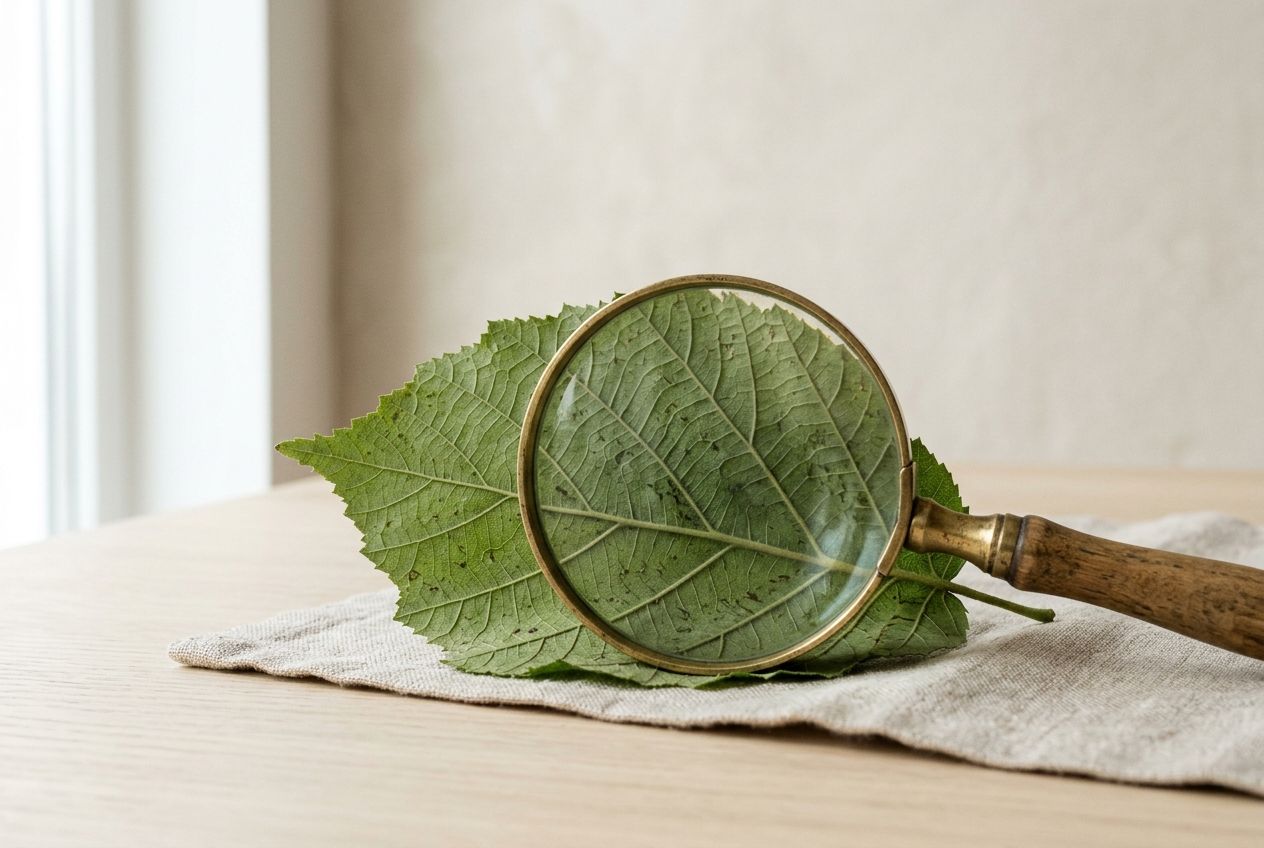
Fig. 02Check the undersides of the leaves every week.